Source Fixed Juicer Cup Cover for Blenders, Juicers, and Sealing
Find 30 fixed juicer cup cover options for replacement jars, sealing machines, and household blenders. Compare specs like 1000ml capacity, stainless steel blades, and plastic materials from China suppliers to find the right fit for your equipment needs; compare the available evidence and request quotations based on your requirements.
Key considerations
Products List
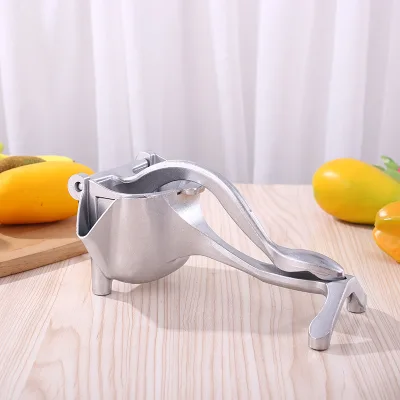
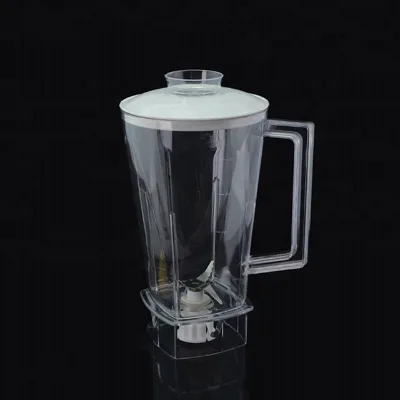


$0.55 - $0.65
Moq: 1000


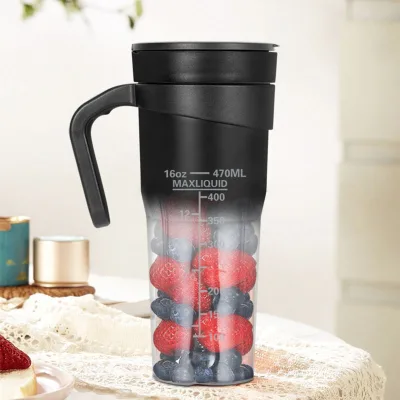


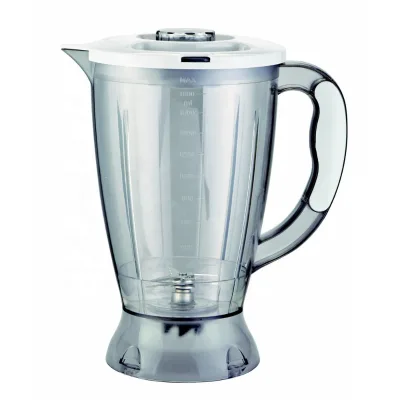

Comprehensive Sourcing Guide
Fixed Juicer Cup Cover Sourcing Guide
Procurement teams must first distinguish between manual press components and electric blender parts when searching for fixed cup covers. The market data indicates a clear split between portable manual orange juicers with plastic bodies and replacement jars designed for specific electric blender models. Buyers should verify whether the required component is a standalone sealing unit or a dedicated replacement part for a 242-series blender, as the mounting mechanisms and sealing requirements differ significantly between these two distinct product categories.
Understanding the intended application is critical before initiating a supplier search, as the operational environment dictates material durability and safety standards. While some listings describe products for general household use with simple hand-press operations, others specify electric power sources requiring precise voltage compatibility and electrical safety certifications. Sourcing strategies must align with the specific machine model, ensuring that the fixed cover integrates seamlessly with the existing blade assembly and motor housing without compromising the structural integrity of the juicing system.
Product Scope and Observed Listing Signals
The observed product listings reveal a wide variance in material composition, ranging from plastic bodies with stainless steel blades to fully transparent replacement jars. Buyers must carefully scrutinize the material specifications to ensure the fixed cover is compatible with the intended food type and cleaning regimen. Some suppliers offer customizable colors and eco-friendly biodegradable options, while others provide standard silver, green, or orange finishes that may not match existing inventory aesthetics.
Listing signals also highlight significant differences in packaging and supply chain readiness, with some items sold as single units in polybags and others shipped in master cartons containing multiple sets. The minimum order quantities fluctuate drastically, with some suppliers accepting single-piece samples while others require bulk commitments of thousands of sets. Procurement planners must align their order volume with the supplier's stated supply ability, which ranges from 10,000 pieces per month to larger industrial capacities, to avoid potential delays in fulfillment.
Technical Specifications to Verify
Technical verification begins with confirming the exact dimensions and capacity requirements of the fixed cup cover to ensure a proper fit. Specific listings indicate a size of 17.5 by 9.2 centimeters for manual units, while replacement jars for electric models may offer a 1000ml capacity with specific model numbers like GA-SP-242L. Buyers must cross-reference these physical attributes with their existing machinery to prevent compatibility issues that could lead to leakage or operational failure during the juicing process.
Electrical and mechanical specifications are equally critical for electric applications, where voltage ratings and power sources must match the facility's infrastructure. Some components are designed for 220V electric operation, while others function purely as manual hand-press tools without any power requirements. Additionally, the blade material, often stainless steel, and the sealing composition must be verified to ensure they meet the durability standards required for high-frequency commercial or household use without premature wear.
Compliance and Safety Documentation
Safety compliance is a primary concern when sourcing components that come into direct contact with food and electrical systems. Buyers should request documentation proving adherence to recognized quality management standards, such as ISO9001:2008, which indicates a supplier's commitment to consistent manufacturing processes. While some listings mention CE certification, this should be treated as a claim requiring independent verification rather than an automatic guarantee of safety for the specific batch being purchased.
Food safety and material integrity must be validated through appropriate testing reports, especially for products claiming to be eco-friendly or biodegradable. The presence of stainless steel blades and plastic bodies necessitates confirmation that these materials do not leach harmful substances under normal operating conditions. Procurement teams should ensure that all supplied components meet local regulatory requirements for food contact materials, regardless of the supplier's origin or the general certifications they display on their product pages.
Cost Drivers and Commercial Terms
Cost structures for fixed juicer cup covers are heavily influenced by material choices, customization levels, and order volume. Suppliers offering customized colors, specific model adaptations, or biodegradable materials often command higher prices compared to standard off-the-shelf items. The minimum order quantity acts as a significant cost driver, with bulk orders of 1000 sets or more potentially unlocking better unit economics compared to single-piece sample purchases.
Commercial terms and payment conditions also play a vital role in the total cost of ownership and cash flow management. Most suppliers in the observed data require payment via Telegraphic Transfer (T/T), which necessitates clear agreements on deposit percentages and balance release timing. Buyers must also account for packaging costs, as options range from simple polybags to export cartons or wooden boxes, each adding a distinct layer to the final landed cost of the procurement order.
Supplier Qualification and Quality Control
Supplier qualification requires a rigorous assessment of their production capacity and after-sales support mechanisms. The data shows varying supply abilities, with some manufacturers capable of delivering 10,000 pieces monthly, while others may have limited throughput. Buyers should verify the supplier's ability to maintain consistent quality over time, particularly when dealing with customized orders that require specific molds or material blends to meet unique design specifications.
Quality control protocols must be established to ensure that every delivered unit meets the agreed-upon standards for durability and performance. Suppliers offering free spare parts as part of their after-sales service demonstrate a commitment to long-term product reliability, which is essential for maintaining operational continuity. Procurement teams should implement incoming inspection procedures to verify that the received components match the specified dimensions, materials, and functional requirements before they are integrated into the production line.
Long-Term Procurement Checks
Establishing a long-term partnership requires regular audits of the supplier's ability to maintain product consistency and adapt to changing market demands. Buyers should monitor the supplier's track record for delivering on time and adhering to the agreed-upon specifications, especially when scaling up orders from sample quantities to full production runs. Continuous communication regarding any changes in material sourcing or manufacturing processes is essential to prevent unexpected disruptions in the supply chain.
Future-proofing the procurement strategy involves staying informed about evolving industry standards and potential regulatory changes affecting food contact materials. As sustainability becomes a more prominent factor, buyers should evaluate the supplier's progress in adopting eco-friendly and biodegradable materials. Regular performance reviews and feedback loops will help ensure that the fixed juicer cup covers continue to meet the operational needs of the business while maintaining high standards of safety and quality.
FAQs
What is the MOQ for portable manual orange juicers?
The minimum order quantity is 1 piece for sample orders and 1000 sets for bulk production. This flexible MOQ allows buyers to test product quality before committing to larger volumes. The supply ability supports up to 10000 pieces per month, ensuring consistent availability for various order sizes.
Can I customize the color of the plastic juicer?
Yes, customized colors are acceptable for this portable manual juicer. Standard options include orange, silver, and green, but buyers can request specific shades to match their brand identity. This customization feature helps businesses create unique product offerings that stand out in competitive retail markets.
What material is used for the juicer blade?
The blade is made from stainless steel, ensuring durability and resistance to corrosion during juice extraction. The body is covered in plastic, providing a lightweight and safe handling experience. This combination of materials balances longevity with user comfort for household and commercial applications.
Is ISO9001 certification available for these juicer parts?
Yes, the product holds ISO9001:2008 certification, indicating adherence to quality management standards. This certification assures buyers of consistent manufacturing processes and reliable product performance. It is particularly valuable for B2B buyers seeking verified suppliers for replacement parts or bulk procurement of kitchen tools.
What is the packaging format for these juicers?
Products are packed in color boxes, with 24 sets per master carton for efficient shipping. Individual units may also be protected in polybags. This packaging ensures safe transit while maintaining a professional retail appearance, suitable for both direct-to-consumer sales and wholesale distribution channels.
Where are these juicers manufactured?
These products originate from Guangdong, China, a major hub for manufacturing kitchen appliances. The location supports efficient logistics and supply chain management. Buyers can expect reliable production capabilities and access to a wide range of sourcing options within this established industrial region.